
What is Generative Engine Optimization (GEO)?
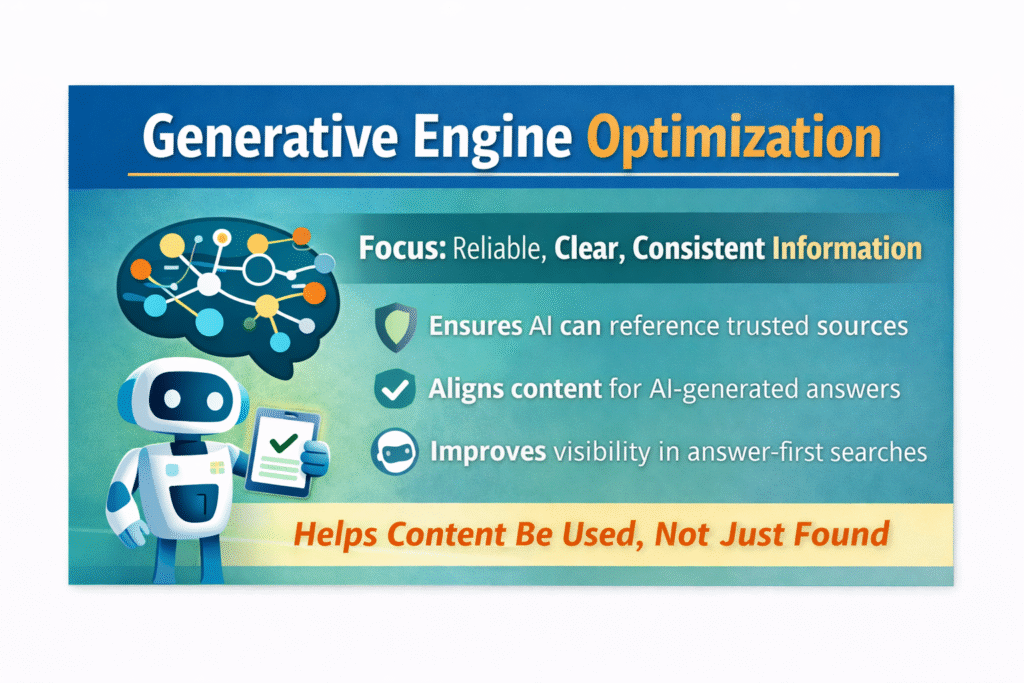
A clear definition of Generative Engine Optimization (GEO) Generative Engine Optimization (GEO) is the practice of structuring and presenting information so that it can be reliably selected, interpreted, and reused by generative AI systems when they produce answers. Unlike traditional search optimization, which focuses on ranking web pages in search results, GEO focuses on whether a source is clear, consistent, and trustworthy enough to be included directly inside AI-generated responses. GEO matters in environments where users receive synthesized answers rather than lists of links, such as AI assistants and answer-first search interfaces, where visibility depends on being cited, referenced, or implicitly relied upon by the model. Why Generative Engine Optimization exists The way people look for information has changed quietly but fundamentally. Instead of browsing multiple links, users now ask direct questions and expect a single, confident answer. In these moments, AI systems do not display the web; they compress it. They decide which explanations are safe to reuse, which sources feel authoritative, and which ideas can be presented without hesitation. Generative Engine Optimization exists because visibility no longer depends only on being discoverable. It depends on being usable. A page can be indexed, crawlable, and even well-ranked, yet still be ignored by generative systems if its message is unclear or inconsistent. GEO addresses this gap by focusing on how information is selected and reused, not just how it is found. How generative engines decide what to use Generative engines work by retrieving information from multiple sources and synthesizing it into a single response. In that process, not all sources are treated equally. Some are read once and discarded. Others are reused repeatedly across different answers. What distinguishes reusable sources is not size, traffic, or brand recognition. It is clarity. Generative systems favor sources that explain concepts cleanly, define terms without ambiguity, and remain consistent across contexts. They are cautious by design. If a source feels vague, overly promotional, or contradictory, it is less likely to be reused, regardless of how visible it is in traditional search. In practice, this means that being selected by a generative engine is closer to being trusted as a reference than being rewarded for optimization effort. GEO vs SEO vs AEO Search Engine Optimization (SEO) focuses on improving a page’s visibility in ranked search results. It helps content get discovered when users search for information. Answer Engine Optimization (AEO) focuses on structuring content so it can directly answer specific questions, often within featured snippets or voice responses. Generative Engine Optimization (GEO) focuses on whether content can be safely incorporated into AI-generated answers. It is less concerned with where a page appears and more concerned with how reliably its information can be reused. These approaches are not substitutes for one another. SEO supports discovery, AEO improves answer clarity, and GEO influences which sources shape generated explanations. In AI-first environments, all three can coexist, but GEO addresses a distinct layer of visibility. What generative engines look for in sources Generative engines tend to favor sources that behave more like reference material than marketing assets. Several high-level signals consistently matter. First, the source must have clear identity and scope. It should be obvious what the content is about and who it is intended for. Second, depth matters more than breadth. A focused explanation of a topic is easier to trust than a surface-level overview of many ideas. Third, structure plays a role. Content that is logically organized and internally consistent is easier for models to interpret and reuse. Finally, consistency across the web reinforces trust. When the same explanation appears without contradiction across multiple contexts, confidence increases. These signals are evaluated implicitly. They are not checklists, but patterns that accumulate over time. Content formats that perform well in generative environments Certain types of content tend to perform better because they align with how generative systems reuse information. Clear definitions work well because they can be quoted without surrounding context. Frequently asked questions perform well when they mirror how people naturally ask questions. Comparisons are useful when they explain differences without exaggeration. Expert explanations tend to surface when they are written to clarify rather than persuade. What these formats have in common is restraint. They priorities explanation over optimization and clarity over creativity. Where GEO shows up in practice GEO becomes visible wherever AI systems are expected to explain, summaries, or guide decisions. This includes AI assistants responding to user questions, answer-first search experiences that generate summaries instead of lists, and research or decision-support tools that synthesis information across sources. In all of these cases, users may never see the original page. Yet the page still shapes the answer. GEO operates in this invisible layer, influencing outcomes without requiring a click. Small brands can be cited in AI assistants One of the most common misconceptions about generative visibility is that only large or highly ranked brands are selected by AI systems. In practice, this is not true. A small brand, even one that appears on page nine or ten of traditional search results, can still be cited or relied upon by a generative engine if its content meets the right conditions. For example, a niche company with a single, well-structured explanation of a concept, written clearly and repeated consistently across its presence, may be selected over a larger competitor whose content is vague or heavily promotional. Generative engines do not reward popularity alone. They reward interpretability and confidence. This is why GEO is fundamentally different from ranking-based visibility. It allows smaller, focused sources to participate in generated answers when they communicate with precision. How GEO is measured GEO is not measured primarily through clicks or traffic. Its signals are quieter. Inclusion in AI-generated answers, repeated reference to the same source for the same concept, and consistent alignment between a brand and a topic all indicate GEO effectiveness. A source may influence hundreds of decisions without generating noticeable traffic. From a generative perspective, visibility is defined by contribution, not visits. Common misunderstandings about GEO GEO is often confused
GEO & AEO Glossary: The Ultimate Guide to AI Visibility in India
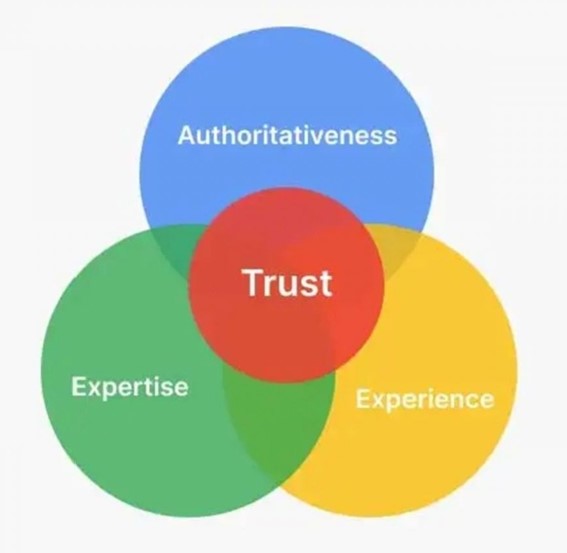
AI search has quietly changed the rules. Indian brands are still publishing blogs, chasing rankings, and refreshing keywords, while AI systems are already deciding who gets mentioned and who gets ignored. This glossary is your foundation. It explains every critical GEO (Generative Engine Optimization) and AEO (Answer Engine Optimization) term, with India-specific examples, and connects each concept to a deeper page you can build next. Think of this as your AI Visibility knowledge hub. AEO (Answer Engine Optimization) Answer Engine Optimization is the practice of structuring content so AI systems can clearly extract, trust, and present your brand as a direct answer to user questions. Unlike SEO, which optimizes for rankings, AEO optimizes for answers. If an AI assistant is responding to “Who’s the best Virtual CFO in India?”,AEO determines whether your brand appears in that answer or not. GEO (Generative Engine Optimization) Generative Engine Optimization focuses on how large language models generate responses across platforms like ChatGPT, Perplexity, and Google Gemini. GEO ensures your content is structured, cited, and consistent enough for AI systems to generate responses that include your brand, often without linking to a website at all. AI Visibility AI visibility refers to how clearly AI systems can understand, trust, and recall your brand. It’s built through structured data, consistent messaging, authoritative mentions, and machine-friendly content, not just keywords. Answer Engines Answer engines are AI systems that respond with a synthesized answer instead of a list of links. They don’t show ten blue results. They show one confident response. Examples include AI assistants, copilots, and AI-powered search experiences. Generative Search Generative search is a search experience where AI generates a response by combining information from multiple sources. Visibility here is binary, you are either referenced or you’re invisible. Ranking #1 no longer guarantees visibility if your content isn’t AI-readable. Structured Data Structured data is machine-readable code (usually Schema.org) that explains who you are, what you do, where you operate, and why you’re credible. For AI systems, schema is context. Without it, your content is often ambiguous or ignored. Entity An entity is how AI systems recognize real-world things, brands, people, services, locations. AI doesn’t “read” content like humans; it maps entities and their relationships. Strong AEO/GEO work turns your brand into a well-defined entity across the web. Entity Consistency Entity consistency means your brand details, name, description, services, founders, locations, are identical across your website, schema, directories, PR articles, and social platforms. Inconsistency reduces AI trust. Semantic Clustering: Semantic Clustering means organizing related topics together to provide context, not just keywords. Organizing related topics together to provide context, not just keywords. LLM (Large Language Model) A Large Language Model is the underlying system that generates answers. LLMs don’t browse the web live every time. They rely on training data, retrieval systems, and trusted signals. Your job with GEO is to be part of those signals. llms.txt llms.txt is an emerging standard similar to robots.txt, designed to guide AI systems on how to read and reference your content. While adoption is still evolving, it signals AI-readiness and content intent. Authority Signals Authority signals include PR mentions, expert authorship, founder profiles, reviews, structured citations, and consistent third-party listings. AI systems weigh these heavily when deciding which brand to mention. Zero-Click Answers Zero-click answers occur when users get what they need without visiting any website. This is not a loss. it’s the new battleground. GEO ensures your brand is named even when no click happens. AI-Readable Content AI-readable content is clearly structured, jargon-controlled, context-rich, and logically written for machines, not just humans. Think clarity over cleverness. This is foundational to both AEO and GEO. User Intent User intent is about answering the real question behind the query, not just matching keywords. In AI-led searches, users often want clarity or a decision, not a long explanation. Content that directly satisfies intent is more likely to be surfaced by answer engines. E.g. Someone asking “Best Veg Restaurant in Mumbai” is usually deciding whom to shortlist. Machine-Readable Signals Machine-readable signals are the structural cues that help AI interpret your content clearly such as headings, metadata, schema, and internal links. These signals reduce guesswork for AI systems and improve retrieval accuracy. A well-structured FAQ section with schema makes it easier for AI to extract a direct answer without scanning the full page. Brand Mentions Brand mentions track when and how your brand appears inside AI-generated responses, even when no link is shown. Consistent, context-relevant mentions increase recall and trust across answer engines. An AI response listing “top CA in India” names your brand, even if the user never clicks through. EEAT (Experience, Expertise, Authoritativeness, Trust) EEAT reflects how credible your brand appears to engines based on real experience, demonstrated expertise, external recognition, and consistency. Strong EEAT makes AI more confident in reusing your content. A founder-authored article cited by industry publications signals more trust than an anonymous blog post.
AEO vs Traditional SEO: Which One Drives Better Brand Visibility?
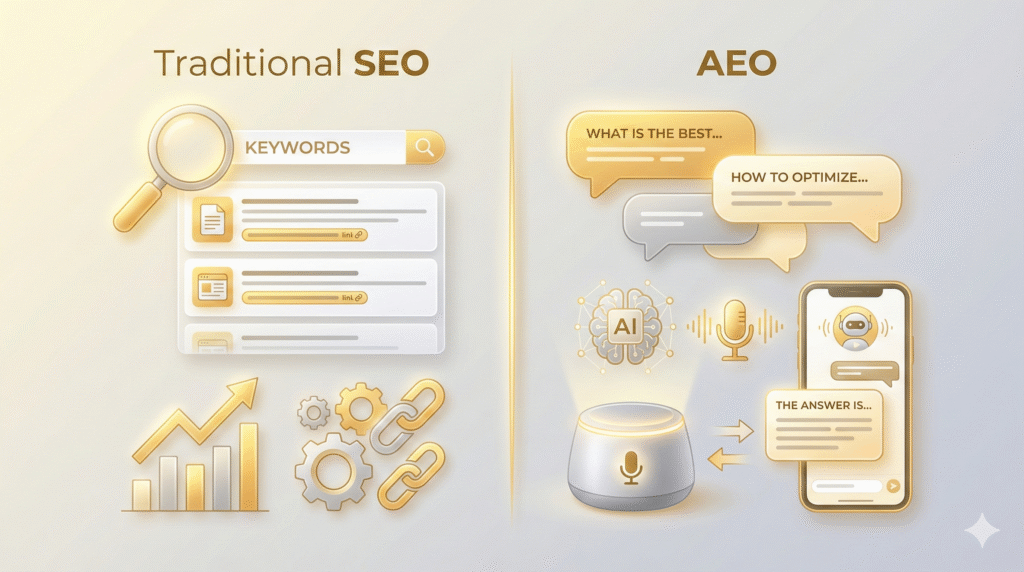
For more than two decades, traditional SEO shaped visibility on the internet. If you ranked, you were seen. If you were seen, you were trusted. And if you were trusted, you won. But 2025 and 2026 created a shift that even SEO veterans didn’t expect. Users moved from typing keywords to asking questions. AI assistants began summarizing information before anyone clicked a link. And suddenly, the battle for brand visibility moved from the SERP to the answer box. Here’s the truth marketers are finally admitting. Traditional SEO still matters, but it no longer guarantees brand visibility. We’ve entered a world where AI SEO, powered by AEO (Answer Engine Optimization), determines whether your content appears inside AI-generated answers. In other words, SEO helps people find your content. AEO helps machines choose your content. And in an AI-first landscape, that choice is everything. Let’s break down how AEO and SEO work, how they differ, and why the strongest brands in 2026 will use both as a unified visibility strategy. What Is AEO? AEO, or Answer Engine Optimization, is the practice of structuring content so AI assistants can retrieve, summarize, and cite it accurately. It responds to a new reality where users no longer sift through pages of blue links. They ask conversational questions, expect a single clear answer, and treat AI tools like ChatGPT, Gemini, and Perplexity the way they once treated Google. AEO exists because modern search behavior looks nothing like 2015 or even 2020. People speak queries instead of typing them. Zero-click results now exceed 65%. Voice search is at over a billion monthly queries. AI Overviews summarize content before SERPs even appear. And in this environment, brands can’t rely on long paragraphs and keyword density. They need structured clarity. That means using short answer blocks, explicit entities, schema markup, and modular paragraphs that AI models can lift directly. AEO favors precision. It rewards clarity. And it gives your content a higher chance of showing up inside the answer, not just near it. If SEO makes your content findable, AEO makes your content quotable. What Is Traditional SEO? Traditional SEO is the foundational practice of optimizing websites to rank on search engines like Google and Bing. It focuses on improving organic visibility through keyword targeting, technical health, backlinks, site speed, and content depth. SEO helps brands build authority, attract traffic, and support every stage of the marketing funnel. And despite dramatic changes in search, SEO is far from obsolete. Google still processes more than 8 billion queries a day. The SERP still houses deep research intent. People still rely on organic results for complex decisions. And fundamentally, AI SEO still depends on strong traditional SEO, because AI models lean heavily on authoritative, high-ranking domains when selecting sources. The limitation is that SEO was built for exploration, scrolling, skimming, and clicking. Today’s AI-driven searches favor extraction pulling short, precise, structured information that can be dropped directly into an answer. That’s where AEO extends the work SEO starts. SEO builds your library. AEO tells the librarian what to read aloud. What Are the Key Differences Between AEO and SEO? AEO and SEO often look similar from the outside, but they operate on different search surfaces. SEO optimizes for traditional results pages. AEO optimizes for conversational interfaces, AI summaries, and voice outputs. SEO prioritizes long-form depth and keyword alignment. AEO prioritizes structure, entities, schema, and concise explanations. SEO measures rankings, traffic, and CTR. AEO measures citations, answer inclusion, source diversity, and brand visibility inside summaries. Most importantly, SEO serves users who explore. AEO serves users who ask. This is why AEO is not a competitor to SEO. It’s the evolution of SEO, the structural layer that prepares your content for a machine interpreting your expertise, not just a human reading it. AEO and SEO Trends in 2026 The next year will reshape search even more aggressively. AI Overviews are rapidly becoming the default Google experience. Perplexity is growing month over month. ChatGPT’s search usage continues to explode. Meanwhile, users show a strong preference for conversational, context-rich answers over browsing multiple pages. AI visibility is becoming a brand’s first impression. Schema and structured data are no longer optional. Entities and clarity matter more than keyword density. Freshness is weighted more heavily because outdated content can create model hallucinations. And brand mentions outside your own website—Reddit threads, expert reviews, and third-party citations now influence whether AI models treat you as a trustworthy source. In short, brands can no longer win visibility simply by ranking. They must become extractable. AEO vs. SEO: Key Takeaways AEO isn’t a trend. It’s the natural evolution of SEO in an AI-dominated search landscape. Here’s what every marketer needs to internalize now. Treat AEO as the next chapter of SEO, not a replacement. SEO still establishes authority, but AEO transforms that authority into citations inside AI-generated answers. Your goal isn’t just to rank. It’s to be included. Structure everything for extraction. AI assistants cite answers they can lift cleanly, so your content must be modular, scannable, and built in 40–90 word blocks that stand alone. Earn mentions beyond your own domain. LLMs rely heavily on cross-web credibility. Reddit discussions, expert opinions, datasets, and third-party reviews heavily influence who gets cited. Instrument AI visibility. GA4 and GSC cannot measure citations, AI mentions, or answer placement. You need tools built for the new search surfaces if you want a complete visibility picture. Prepare for agentic execution. AI agents increasingly complete tasks, not just provide answers. Brands that expose structured APIs, clean documentation, and LLMs.txt files will have a strategic advantage. Freshness is becoming non-negotiable. AI models aggressively penalize outdated pages. Frequent updates signal trust, safety, and relevance. Machine-readable clarity beats keyword density. AI SEO is about helping models understand your content, not stuffing it with keywords. Mastering AEO today ensures your brand appears not only in the search results, but in the answers—and eventually in the actions—that shape every customer’s journey. How to Monitor AEO and SEO Monitoring AEO (Answer Engine Optimization)
What Is AEO (Answer Engine Optimization)?
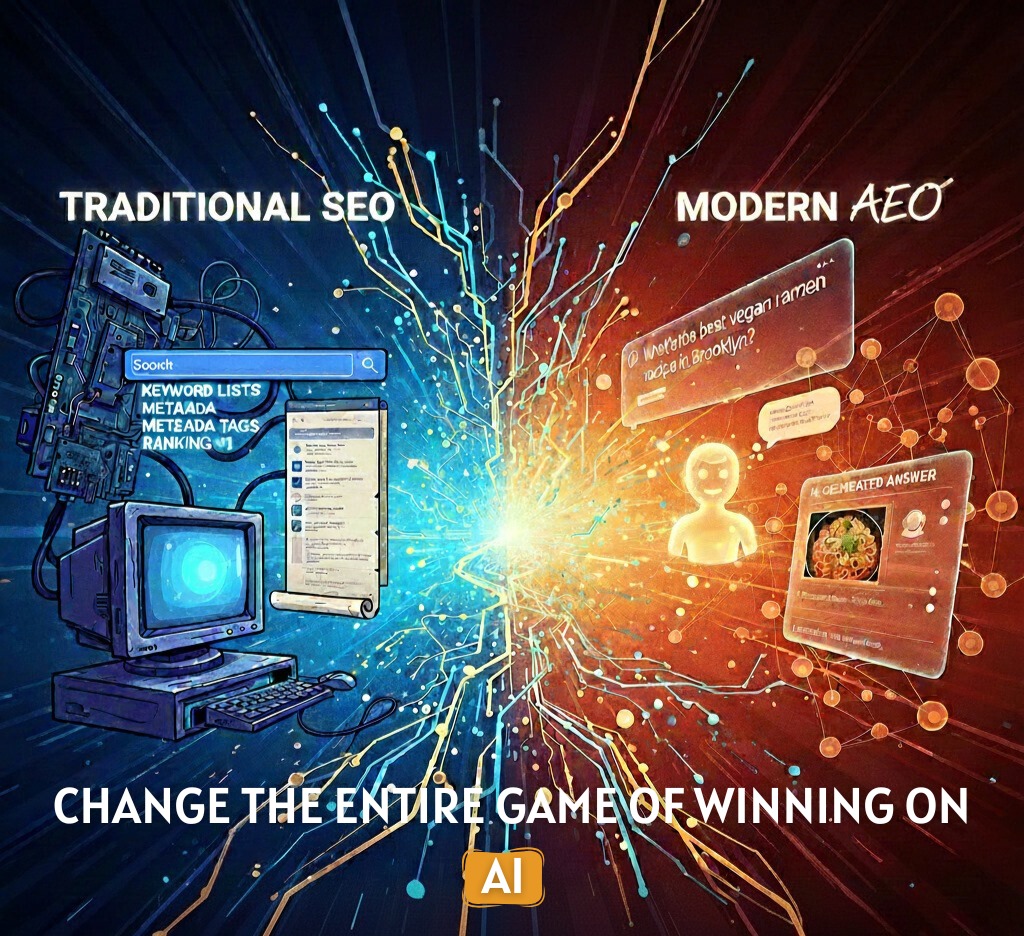
Once upon a time, winning on Google felt like the final win. Publish a blog, do a little SEO, collect a few backlinks… and your brand showed up. Clean. Simple. Predictable. But that era ended the moment AI assistants stepped into the spotlight. ChatGPT, Gemini, Perplexity, these tools don’t behave like search engines. They don’t give you ten blue links. They give you one answer. One compressed response that decides which brands matter, and which brands quietly disappear into digital silence. That’s where AEO comes in. AEO (Answer Engine Optimization) is how you make sure your brand becomes part of the answer not the afterthought. It’s how you get searched in ChatGPT. It’s how you appear inside Perplexity citations. It’s how you protect your brand visibility when AI becomes the new interface for discovery. Why Is AEO (Answer Engine Optimization) Suddenly Important in 2025–2026? Because user behavior shifted overnight. People aren’t typing queries into Google first. They’re asking AI assistants like they would ask a friend. “ChatGPT, which agency handles AEO?” or “Gemini, help me compare SEO and AEO.” or “Perplexity, who improves AI visibility for brands?” These assistants answer instantly and if you’re not part of the answer, you simply don’t exist in that moment. No clicks. No impressions. No awareness. No discovery. AEO is how you fix that gap before it becomes a moat your competitors exploit. How Do AI Assistants Like ChatGPT, Gemini & Perplexity Find Answers? This part is where the magic happens. AI assistants pull information from a mix of trained knowledge, real-time browsing, structured data, and trusted sources. They scan schema. They read your llm.txt. They check your knowledge graph, your consistency, your authority. Humans read paragraphs. AI reads patterns, structure, and confidence signals. If your brand isn’t present across those signals, the model literally can’t see you even if your content is amazing. How Does AEO Actually Work? AEO is the process of teaching AI who you are, what you do, where you operate, and why you deserve to be included in answers. Think of it as building a clear identity inside the machine’s brain. We do this by making your website readable in “AI language.” That includes adding schema, strengthening your entity listings, publishing citable content, and formatting pages in a way that large language models can quote cleanly. AI will always choose structure over fluff. It will always favour clarity over cleverness. And it will always reward brands that make their information easier to retrieve. What’s the Difference Between AEO vs SEO? They sound like siblings, but they play completely different roles. SEO is about ranking on Google , a list of links. AEO is about being included inside an AI-generated answer. SEO rewards keywords, backlinks, and technical hygiene. AEO rewards concise clarity, entity strength, and structured information the model can lift without rewriting everything. Google optimizes for relevance. AI optimizes for usefulness. Google drives traffic.AI drives brand visibility inside the answer itself. This is not a replacement. It’s an evolution. What Type of Content Do AI Assistants Like ChatGPT Prefer to Cite? AI doesn’t love long essays. It loves clean chunks of information it can confidently quote. Definitions. Comparisons. Step-by-step explanations. FAQs with short answers. Local pages that clarify geography. These formats give AI a simpler job and brands that make AI’s job easier get cited more often. If your content sounds like it was written to impress a Google crawler, AI will ignore it. If your content looks like it was designed for a human who wants a quick, crisp explanation… you instantly become more “quotable.” How Can a Business Improve Its AEO Score? This is where most brands wake up. You improve AEO by making your entire digital footprint machine-friendly. That means adding structured schema. Publishing an llm.txt file. Fixing your name–address–phone consistency everywhere. Using predictable headings. Breaking content into short, well-defined blocks. Creating answers the AI can copy with minimal editing. You can make 50–100-word answers that AI can quote without rewriting. When AI sees structure, it gains confidence. When it gains confidence, it cites you. And once citations begin, your brand enters a feedback loop of trust and visibility. Which Tools Help Track AEO Performance? The simplest indicator is this: Is Perplexity citing you or not? Is ChatGPT mentioning your brand? You check it manually by searching your brand inside Perplexity. Even better, monitor your referral traffic inside GA4 and watch for perplexity.ai appearing. Over time, you measure “citations per 1,000 queries,” which becomes your true visibility score, the AEO version of “rankings.” This is your new KPI. What Are the Benefits of AEO for Local Businesses? Local companies see some of the fastest gains. AI assistants are increasingly answering location-based queries directly and they rely heavily on structured business data to do it. If your Google Business Profile, Bing Places, and knowledge graph are strong, AI will start including you in recommendations long before traditional SEO catches up. ExampleA dental clinic with consistent NAP data and proper schema often appears inside AI answers long before they dominate traditional SEO results. For startups, SMEs in Mumbai, Thane, Pune, Bangalore, Delhi, or anywhere across India, this becomes a meaningful competitive advantage. What Are the First Steps To Start AEO for My Business? Start small. Fix your entity. Add structured data. Publish high-value, citable content. Strengthen your online footprint. Then monitor how AI interacts with your website. Once the machine can read you clearly, it will start trusting you. And once it trusts you, it will start citing you. This field is early, painfully early. Most brands still don’t know AEO exists, which makes it the perfect moment to build visibility before the rest of your market realizes what changed. AI answers are the new search results. AEO is how your brand enters the answer. Frequently Asked Questions ( FAQ) on AEO ( Answer Engine Optimization) 1. How long does AEO take to show results? Most SMEs see early improvements within four to six weeks, especially if
The Next Google Moment: Why AI Visibility Will Define Your Brand
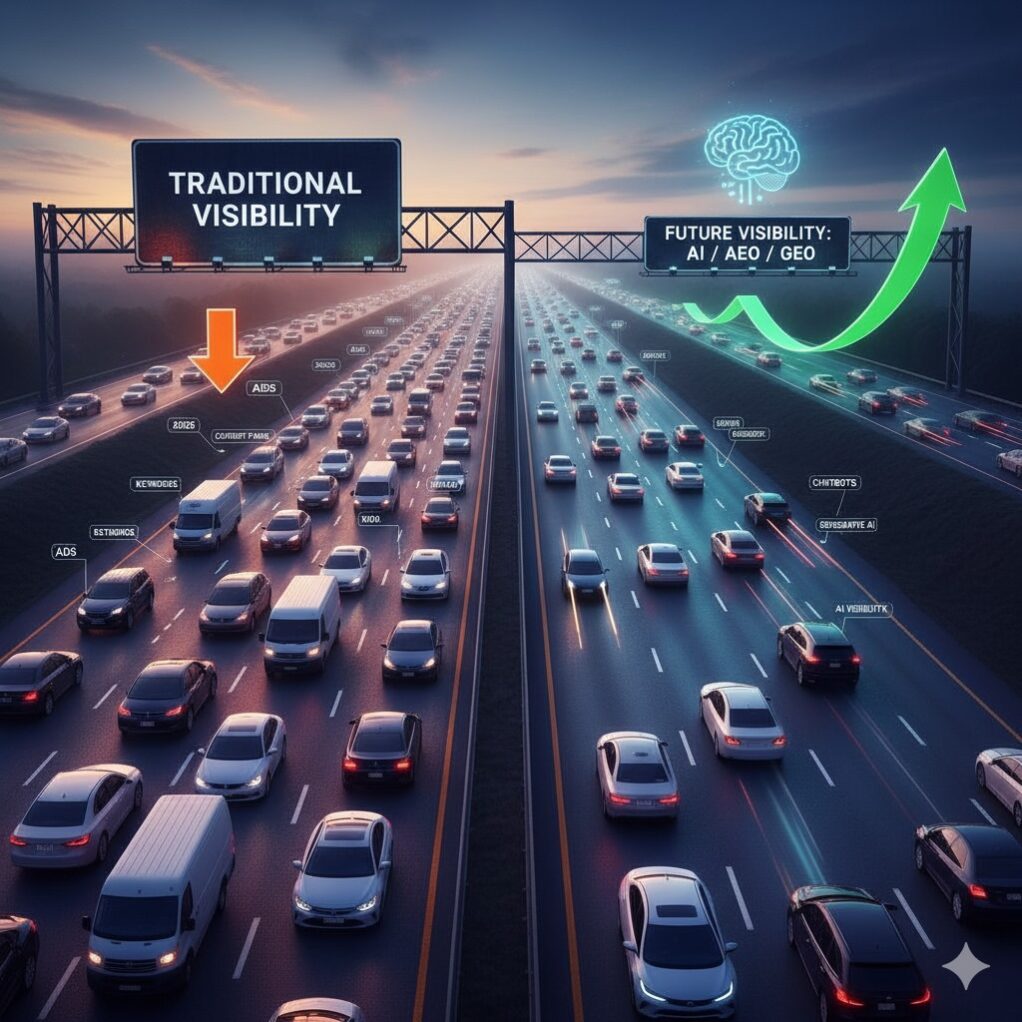
Remember when Google changed everything? If you were running a business in the early 2000s, you probably remember the panic. One day, people were flipping through print directories or the Yellow Pages. The next, everyone was saying, “If you’re not on Google, you don’t exist.” I saw it happen. Small businesses with loyal customers suddenly found themselves outranked and overshadowed by bigger players who figured out this new thing called SEO. Being online wasn’t enough anymore. Ranking on Google became survival. That shift reshaped everything. From Google to AI Visibility: the next big shift in customer behavior Fast forward twenty years, and here we are again. Only this time, it’s not about Google. People are asking ChatGPT for recommendations, checking Gemini for quick summaries, and turning to tools like Perplexity for research. This is not a fringe behavior. Billions of questions are already being fired into these assistants each day, and the habit is growing. Google still dominates overall search, of course, but attention is fragmenting. And once customer habits change, the market follows. Why does AI Visibility feel like a “Google moment” all over again? Think back for a moment. When Google started to rise, it didn’t feel like just another search engine. It became the way people discovered brands. That shift crowned winners and quietly buried laggards. The same thing is happening right now, only faster. AI assistants do not list ten blue links. They give one answer, maybe two. If your brand is not mentioned in that response, you are invisible in that moment. There is no page two to fall back on. That is what makes this the next Google moment. Where do AEO and GEO fit in Brand Visibility? You will hear new terms being thrown around. Answer Engine Optimization (AEO) and Generative Engine Optimization (GEO) are early attempts to explain how to optimize for AI-driven answers. Even Google has not fully defined AEO yet. Both concepts are still evolving, but they share the same goal i.e. helping brands become visible in the age of AI search. Here is the truth. The specific label matters less than the outcome. What founders should care about is AI visibility. When someone asks an AI assistant about your product, your service, or your industry, will your business be part of the answer? What does AI visibility mean for businesses today? The old tricks of SEO like keyword stuffing, backlink buying, or running ads to dominate results do not guarantee visibility anymore. AI assistants are pulling from different signals: Entity clarity: Is your brand identity clear and consistent? Authority: Do credible sources mention you? Footprint: Are you present across multiple trusted platforms? In plain terms, it is reputation at scale. You cannot buy it overnight. You build it over time. What should brands do right now for getting Visible on AI ? You do not need to launch a complicated AI strategy on day one. Start simple. Open ChatGPT or Gemini and ask a question about your industry. See which names come up. If it is not yours, ask yourself why. Then tighten the basics. Make sure your brand story and content is consistent across your website, social channels, and directories. Look for ways to earn credible mentions, whether that is in customer reviews, local press, or partnerships. Those are the raw ingredients AI looks for. The founder’s takeaway Two decades ago, Google quietly rewrote the rules of visibility. The brands that paid attention early built a huge advantage. The ones that dismissed it? Many of them never caught up. Today, AI assistants are doing the same thing. Call it AEO, call it GEO, or stick with AI visibility. Whatever the label, the rules are shifting. This is your next Google moment. The only question is whether your brand will be part of the answer. Frequently Asked Questions (FAQs) On Brand Visibility 1) What is AI visibility and why does it matter for my business? It is making sure your brand shows up when people ask AI assistants about your industry. If you are not mentioned, your competitors will be. 2) Will SEO still matter if AI assistants take over search? Yes. Google is still massive. But customer attention is splitting. SEO will remain important, while AI visibility grows in parallel. 3) What is the difference between SEO, AEO, and GEO? SEO is about ranking links on Google. AEO is about being included in AI-driven answers. GEO is about generative AI models surfacing your brand. 4) When will AI visibility become more important than Google SEO? It is already underway. Billions of prompts are flowing into AI tools each day, and adoption is climbing. 5) How can I make my brand show up in ChatGPT or Gemini answers? Start with clarity and consistency. Your brand needs a unified story across your website, directories, reviews, and profiles. AI assistants prize trust and authority.
AEO Tools to Boost Your AI Search Visibility
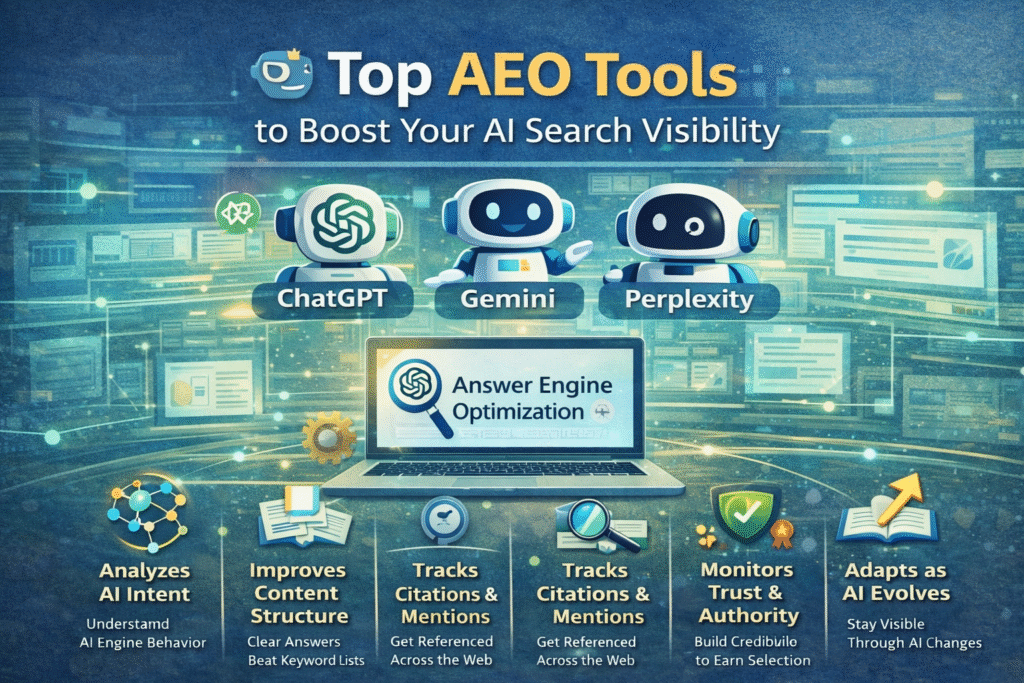
Most brands think AEO tools are just “SEO tools with AI slapped on.” That belief is why they’re invisible inside AI assistants like ChatGPT, Gemini, and Perplexity. As AI assistants replace traditional search journeys, Answer Engine Optimization is no longer optional. But not all AEO tools are built for how AI actually selects answers. Some help. Many distract. A few genuinely compound visibility. This is the complete guide most people skip. How do AI answer engines actually decide who shows up? This is where people get it wrong. AI visibility is not rankings. It’s selection. Models don’t scroll. They choose. Here’s what consistently influences that choice. Content quality and depth AI engines reward content that fully resolves a question, not content that teases it. That means clear explanations, complete frameworks, definitions, examples, and logical flow. Thin content doesn’t get “partially rewarded.” It gets ignored. Insight, not volume, wins. Credibility and trust signals LLMs don’t “trust vibes.” They rely on signals. Mentions from authoritative publishers, references to credible data, associations with known institutions, awards, certifications, and expert attribution all matter. Authority is cumulative. You borrow it before you own it. Intent alignment and relevance AI doesn’t ask “Is this keyword present?” It asks “Does this answer the question being asked right now?” Content must be built around answer intent, not traffic intent. Most content is optimized for clicks. AI optimizes for closure. Citations and external mentions If your brand is never referenced by others, AI has no reason to reference you. Citations from industry publications, research hubs, Wikipedia-style sources, and trusted media dramatically increase selection likelihood. You don’t rank your way into answers. You get cited into them. Topical authority and focus Generalists lose. Specialists get chosen. AI prefers brands that demonstrate consistent depth within a defined domain. One strong topic cluster beats ten scattered blogs. Focus creates familiarity. Familiarity drives selection. And that’s just the surface. AI visibility is shaped by many more structural and contextual factors, but these form the foundation. Now let’s talk tools. What should you actually look for in an AEO tool? Most brands buy tools that help them produce. Very few invest in tools that help them structure. That difference matters. 1) Does the tool understand AI behavior, not just generate content? Good AEO tools analyze question patterns, follow-up intent, and conversational depth. They help you map how users ask, refine, and escalate questions across AI chats. Bad tools just rewrite blogs faster. 2) Can it optimize content for answer selection, not SERP rankings? AI engines prioritize clarity, specificity, and structured answers. Tools should help you format content into definitions, steps, comparisons, and explanations that LLMs can parse and reuse. If it only talks about keywords, it’s behind. 3) Does it guide structure, not just suggestions? AI loves predictable structure. Clear headings. Direct answers. Logical progression. Tools that recommend how to organize content outperform tools that only suggest what to add. Structure is the new optimization layer. 4) How well does it handle credibility signals? The strongest tools don’t just analyze your site. They track mentions, citation sources, and authority gaps across the ecosystem. They help you understand where trust is missing and how to earn it. Visibility is ecosystem-wide, not page-level. 5) Is it built to evolve with AI search changes? AI platforms change fast. Tools must update faster. If updates are rare or unclear, you’re optimizing for yesterday’s model behavior. Static tools don’t survive dynamic systems. 5) Is it usable by strategists, not just operators? The best AEO tools support decision-making. They show why something works, not just what to change. Ease of use matters because adoption speed equals learning speed. If your team avoids the tool, the tool fails. Let’s be real. Brands don’t need more AI-written content. They need AI-readable thinking. AEO is not about gaming models. It’s about teaching them who you are, what you know, and why you’re worth quoting. The brands that win in AI search won’t chase every tool. They’ll choose the ones that help them build clarity, credibility, and consistency. That’s the real optimization layer. And that’s where most teams are still blind.